
Breg
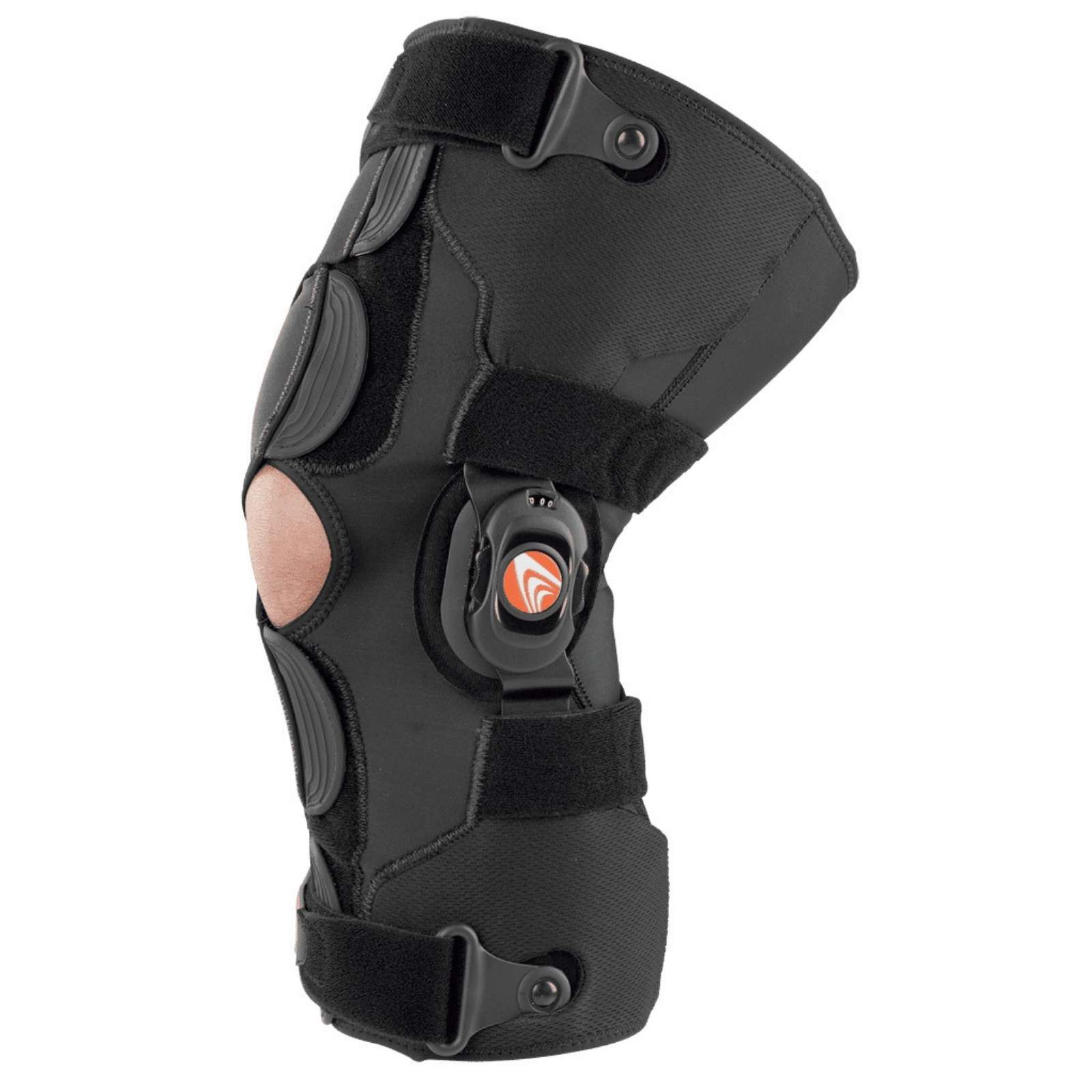
Freestyle OA Knee Brace
OA knee brace that offloads the medial or lateral compartment for mild to moderate unicompartmental osteoarthritis.
Buy NowModern offloader bracing has changed what's possible for osteoarthritis knee patients in India. Many people meaningfully reduce pain, stay active longer, and delay or avoid knee replacement surgery.
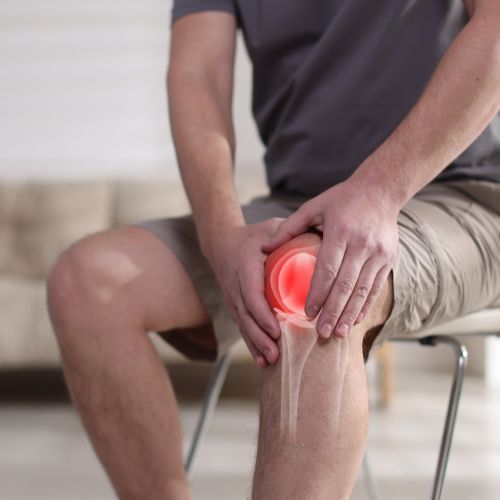
Osteoarthritis (OA) of the knee is the most common joint disease in Indian adults over 50 — and one of the leading reasons patients are told they need knee replacement surgery. Most don't. With the right offloader brace, physiotherapy and activity guidance, many patients reduce daily knee pain, walk further, and meaningfully delay or avoid surgery. This page explains what OA knee is, what causes it, and how Avana's clinically-validated bracing fits into a full treatment plan. Avana has supported over 1 million+ patients across India — and our team helps you choose, size, and wear the right brace, with no pressure to purchase.
Osteoarthritis (OA) is a degenerative joint disease where cartilage — the smooth tissue covering the ends of bones — gradually thins and wears down. When this happens in the knee, the bones rub against each other, causing pain, stiffness, swelling, and reduced range of motion.
OA most commonly affects the medial (inner) compartment of the knee, especially in Indian adults due to higher rates of squatting, sitting cross-legged, and prolonged standing. Over time, the joint may become bow-legged (varus deformity) as the inner cartilage wears down further.
Unlike rheumatoid arthritis (an autoimmune disease), OA is a "wear-and-tear" condition — it doesn't reverse, but it can be managed and slowed with the right combination of bracing, physiotherapy, weight management, and lifestyle changes. Surgery is one option for advanced cases, but not the inevitable outcome.
Common signs and symptoms include:
OA knee develops when cartilage in the knee joint wears faster than the body can repair it. Common risk factors:
OA knee care usually starts with the simplest, least invasive measures — and only moves up to injections or surgery if those don't bring enough relief.
Offloader and OA-specific products chosen by Avana for their clinical performance and Indian-patient fit.
OA knee brace that offloads the medial or lateral compartment for mild to moderate unicompartmental osteoarthritis.
Buy NowAll products are sold and fulfilled by Osteokart.com — Avana's authorised retail partner.
Bracing and lifestyle changes work for most OA knee patients — but some signs need a specialist immediately:
No. OA is progressive and no brace reverses cartilage loss. What a well-fitted offloader brace can do is meaningfully reduce pain, improve walking comfort, and help many patients delay or avoid surgery.
Offloader OA braces are typically worn during weight-bearing activities — walking, working, light exercise — and removed when resting. Your specialist will recommend a schedule.
Yes. Modern OA braces are designed for activity — walking, cycling, gentle resistance training. Avoid high-impact sport unless your specialist clears it.
Quality offloader knee braces from international brands like Breg typically range from ₹15,000 to ₹35,000 in India, depending on customisation level. While entry-level supports cost less, evidence for clinical benefit is strongest for properly-fitted offloader braces. Avana's team can advise based on your specific condition and budget — and all products are dispatched by our authorised retail partner Osteokart.com.
Many patients with mild-to-moderate OA can meaningfully delay or avoid knee replacement through a combination of bracing, physiotherapy, weight management, and lifestyle changes. Multiple long-term studies show offloader bracing alone has postponed surgery by years in suitable candidates. Severe end-stage OA, however, may still require surgical intervention — your orthopaedic specialist is the best person to assess your stage.
No — these are different conditions often confused. Osteoarthritis is a mechanical "wear-and-tear" disease affecting cartilage. Rheumatoid arthritis is an autoimmune disease where the body attacks its own joints. "Rheumatism" is an older umbrella term not used in modern medicine. Bracing helps OA most directly; rheumatoid arthritis typically requires medication-based treatment from a rheumatologist.
Yes. Low-impact strengthening — especially quadriceps and glute exercises — significantly reduces OA knee pain. Swimming, stationary cycling, water aerobics, and tai chi are all well-supported. Avoid deep squats, high-impact running, and prolonged kneeling. A physiotherapist can build a programme suited to your stage of OA.
 USA · OA bracing leader
 USA · Orthopaedic bracing
 Germany · Endoscopic spine systems
 India · Authorised retail partner
Speak to our team about your symptoms and we'll guide you to the right bracing — with no pressure to purchase.
All products dispatched by Osteokart.com — Avana's authorised retail partner.
Fill in your details and we'll get back to you within 24 hours.