Breg
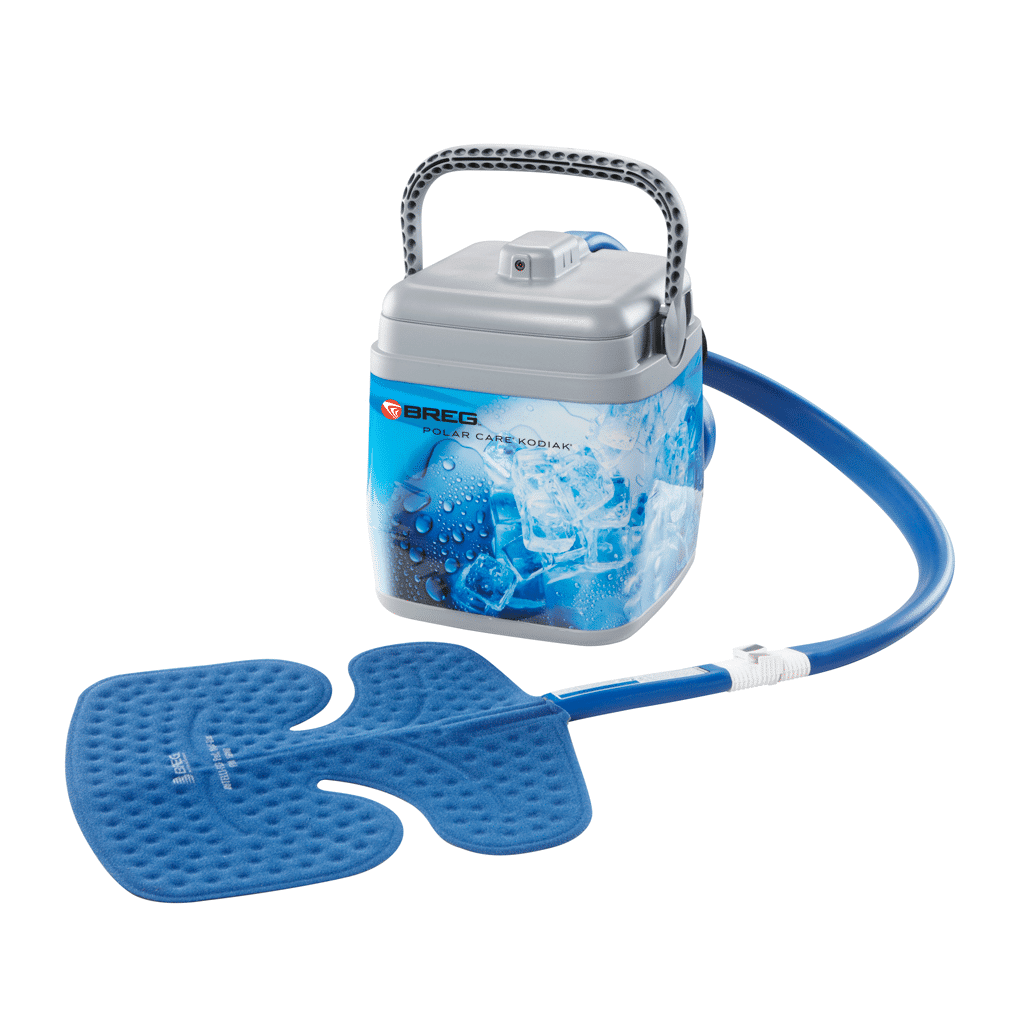
Polar Care Kodiak Cold Therapy System
Cold therapy system for pain relief and swelling during post-surgery or injury recovery.
Buy NowIce packs were yesterday. Powered cold therapy with active compression — like the Polar Care Kodiak and Wave systems used in Indian operating theatres — maintains consistent therapeutic cooling, actively pumps swelling out, and dramatically lowers post-op pain.
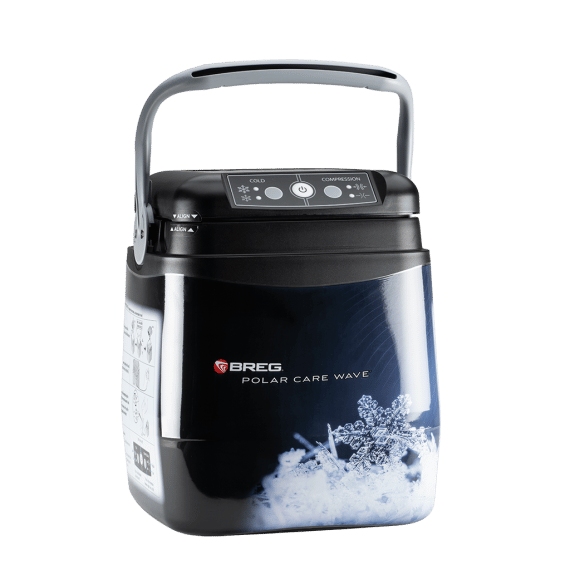
Cold therapy isn't new — ice has been used for swelling and pain since ancient times. What is new is the combination of consistent temperature control and active compression. Powered units like the Polar Care Kodiak and Wave maintain therapeutic cooling for hours, while pumped cycling pressure actively moves swelling out of the surgical area — something static ice packs and elastic wraps simply cannot do. This page explains what modern cold therapy does that ice can't, when it helps most, and which Avana-distributed systems Indian orthopaedic surgeons most often prescribe.
Cold therapy (also called cryotherapy) is the application of controlled cooling to an injured or operated tissue. Modern powered systems do three things at once:
1. Maintain consistent therapeutic temperature — typically around 3–10°C, held steady for hours through a circulating chilled-water pad. Ice packs warm up in 20 minutes; powered units don't.
2. Add active compression — pneumatic pumps cycle pressure across the pad, mechanically squeezing swelling out of the surgical area and into the lymphatic system.
3. Reduce three drivers of pain simultaneously — slowed nerve conduction (less pain perception), reduced local blood flow (less swelling), and reduced inflammatory chemistry. The combined effect is why clinical studies consistently show lower post-op opioid use in patients who use these systems.
Cold therapy is one of the most evidence-supported recovery tools in modern orthopaedics — but it's not for every situation. Powered cold therapy is most useful for:
If you've used ice packs after a sports injury, you know they melt fast and the wrap loosens. The difference with powered systems:
Specific protocols vary by surgeon — but a typical post-op cold therapy plan looks like this:
Rental is often economical for the 2–4 weeks of intensive use, while purchase makes sense if you do contact sports, expect future surgeries, or want it on hand for family. Speak with our team for the right fit.
Powered cold and compression units used in Indian orthopaedic and sports medicine recovery, dispatched by Osteokart.
Cold therapy system for pain relief and swelling during post-surgery or injury recovery.
Buy Now
Cold therapy with active compression — controls pain and swelling after surgery or acute injury.
Buy NowAll products are sold and fulfilled by Osteokart.com — Avana's authorised retail partner.
Powered cold therapy is safe for most patients, but skip or pause it if any of the following apply — check with your treating doctor:
Typically 20–30 minute sessions, 3–6 times daily in the first week post-op. Your surgeon will give specific guidance based on the procedure.
Some patients do, but most surgeons recommend timed sessions to avoid prolonged cooling. The unit has built-in timers for safety. Overnight use isn't routinely recommended without surgeon approval.
Most patients use it intensively for 1–2 weeks post-op, with reducing frequency over 4–6 weeks total. Rental can be a sensible option for this short-term need.
For the first 30 minutes, both work similarly. Beyond that, powered cold therapy holds a steadier temperature and provides active compression — both materially help reduce swelling faster. For a single ankle sprain at home, ice is fine. For surgery recovery or anything that needs repeated application over days, powered cold therapy is significantly better.
This is a common worry. Current orthopaedic consensus is that controlled, short-duration cold therapy (20–30 min sessions) helps recovery by reducing pain enough to allow earlier movement. Continuous, prolonged cold (multiple hours) could slow some tissue healing — which is why timed sessions are the right approach.
Cold therapy is less useful for chronic OA pain, where the underlying issue is wear (not acute inflammation). Most OA patients prefer heat. Cold may still help for acute OA flares with sudden swelling. For OA management, an offloader brace is the more evidence-supported tool.
Maximum benefit is in the first 1–2 weeks. Useful through weeks 3–4 for post-rehab soreness. After week 6, most patients have weaned off cold therapy in favour of heat (for stiffness) and active rehabilitation.
 USA · Polar Care cold therapy
 USA · Post-surgical bracing
 Germany · Endoscopic spine systems
 India · Authorised retail partner
Talk to our team about whether cold therapy fits your recovery — we'll explain the options and the evidence honestly.
All products dispatched by Osteokart.com — Avana's authorised retail partner.
Fill in your details and we'll get back to you within 24 hours.