💢
Lower Back Pain
Mechanical low back pain from poor posture, lifting strain, or muscle fatigue. Lumbar bracing offloads the spine and supports recovery.
From everyday lower back ache to scoliosis correction and post-surgical recovery — clinically proven bracing can help you move with confidence again.
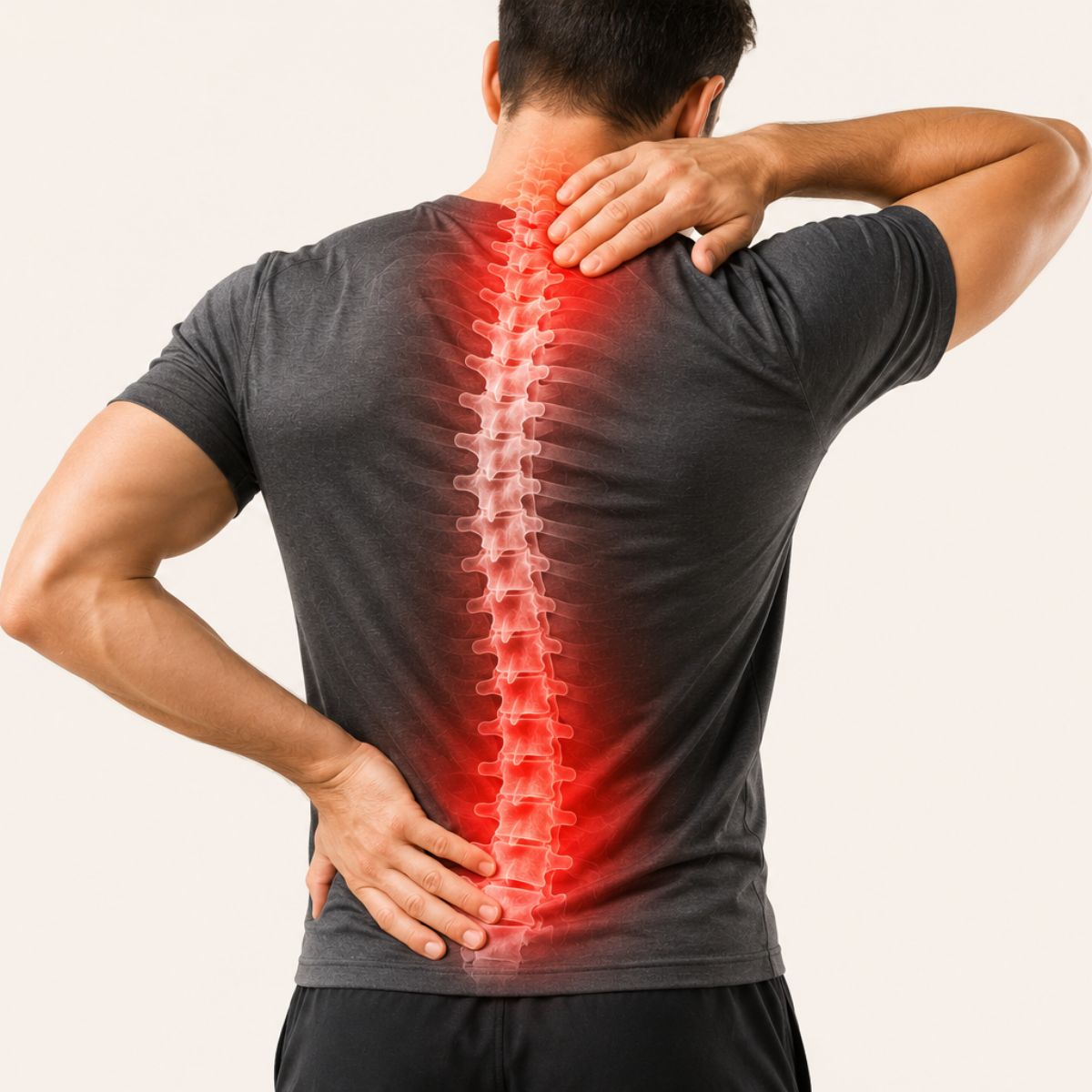
Back pain has many causes. Here are the conditions we most commonly support.
Mechanical low back pain from poor posture, lifting strain, or muscle fatigue. Lumbar bracing offloads the spine and supports recovery.
Curvature of the spine — often diagnosed in adolescence. Spinamic bracing has helped many patients reduce curve progression and avoid surgery.
After discectomy, fusion, or endoscopic spine procedures, controlled support helps the spine heal in the right position.
Pinched nerves and radiating pain from a herniated disc — bracing reduces movement that aggravates symptoms during conservative care.
Forward head posture, kyphosis, and rounded shoulders — postural braces serve as gentle reminders during daily activity.
Vertebral compression fractures common in osteoporosis. Specialist bracing reduces pain and supports healing.
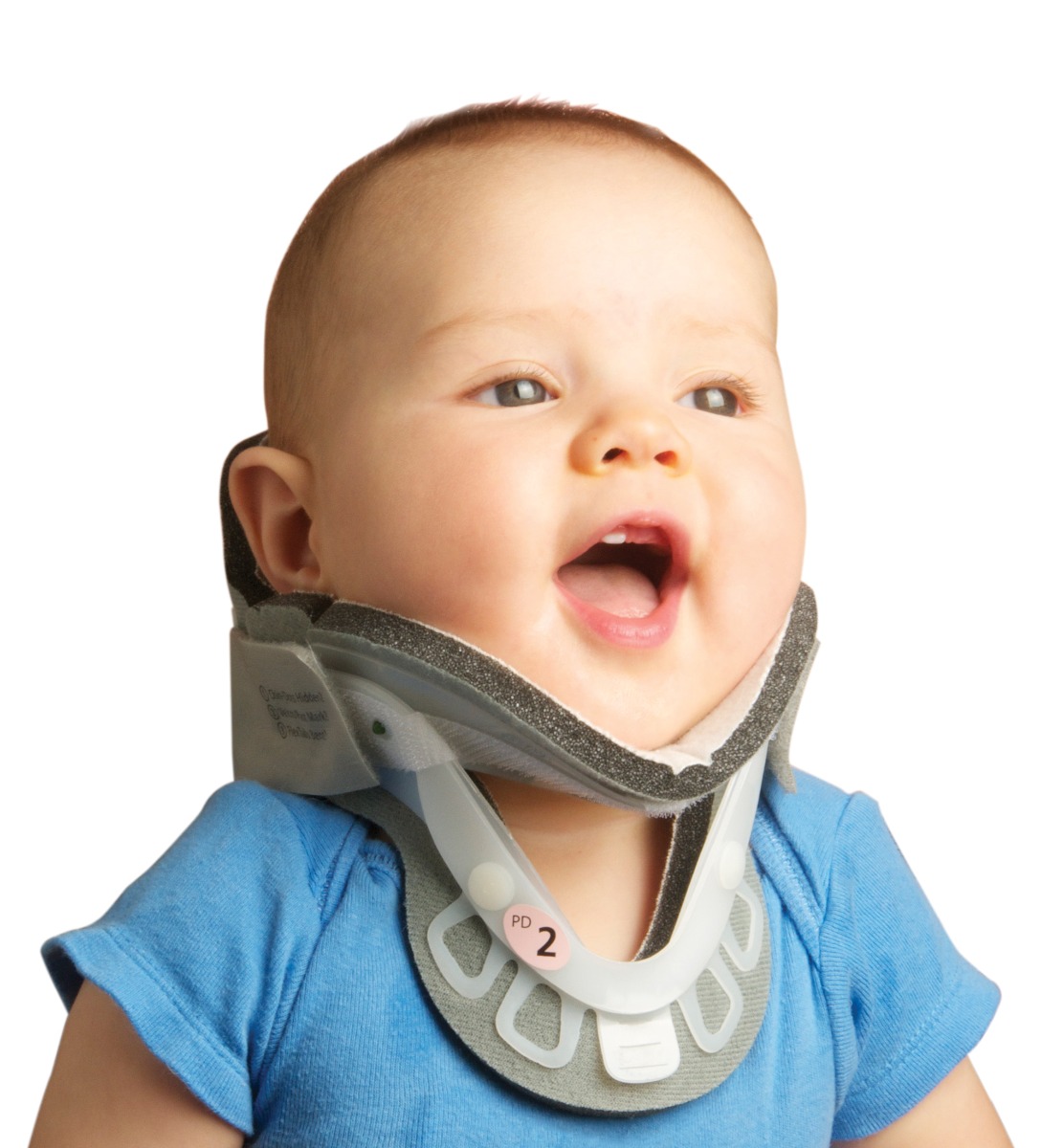
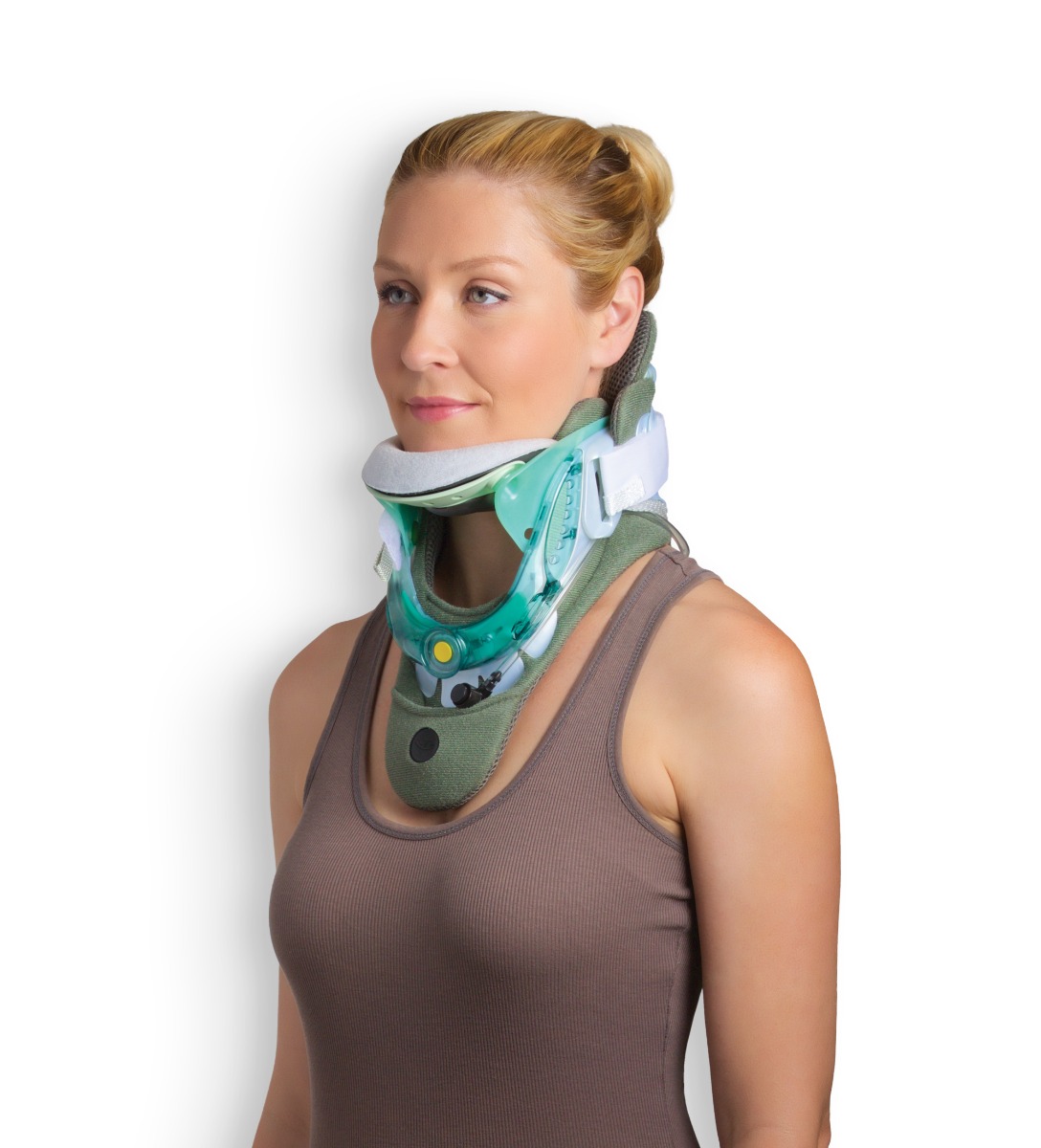
Premium cervical collar designed for comfort and support during neck-injury recovery.
Buy Now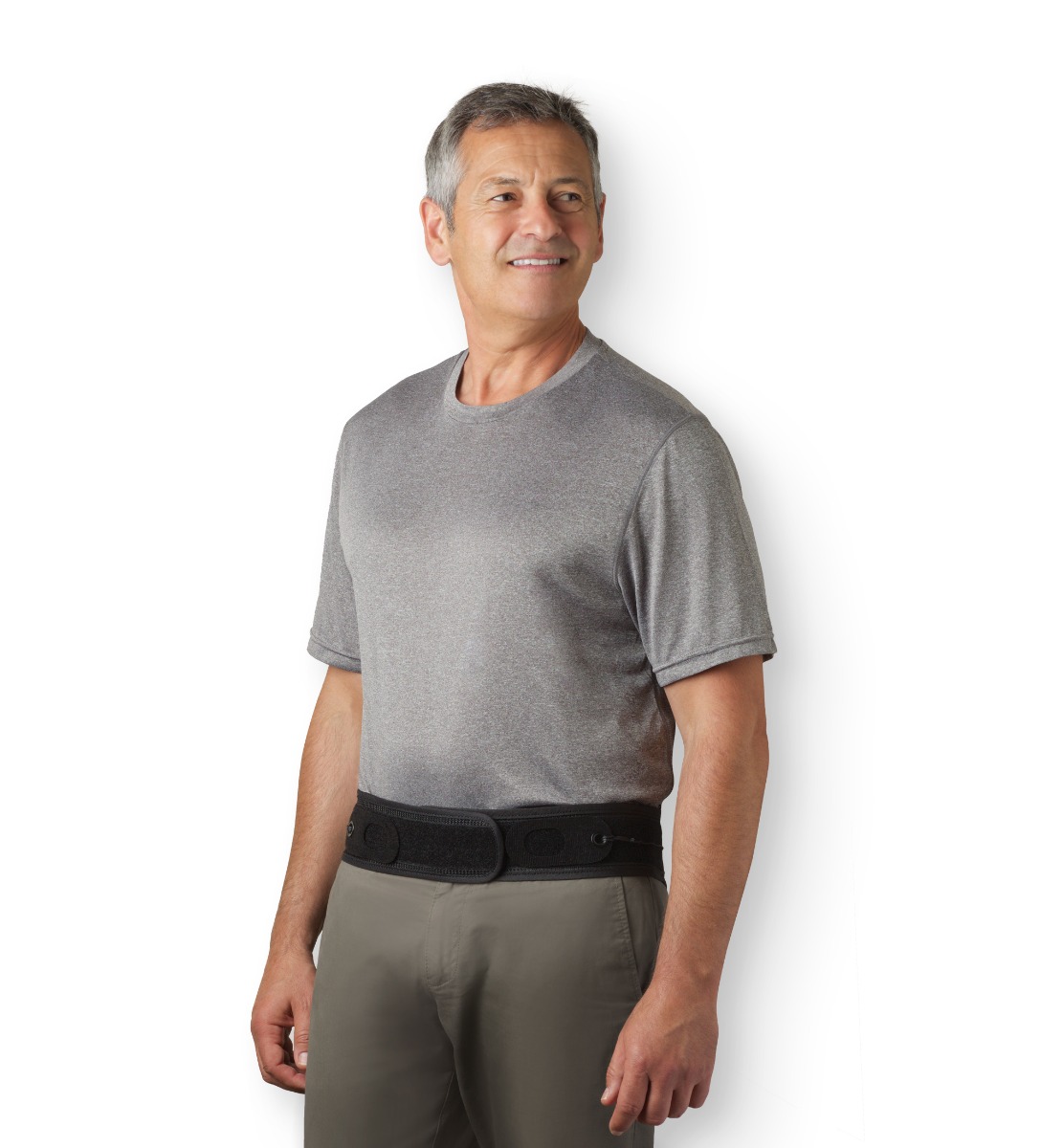
Adjustable sacroiliac support brace for hip and pelvic support.
Buy Now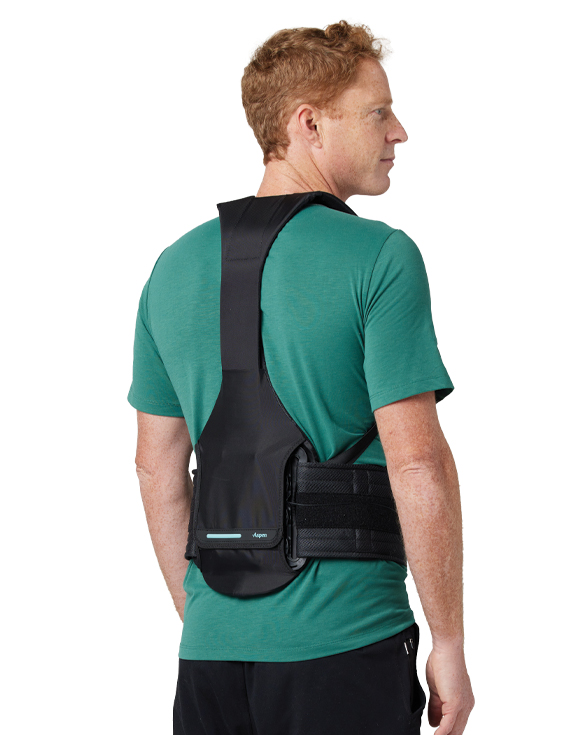
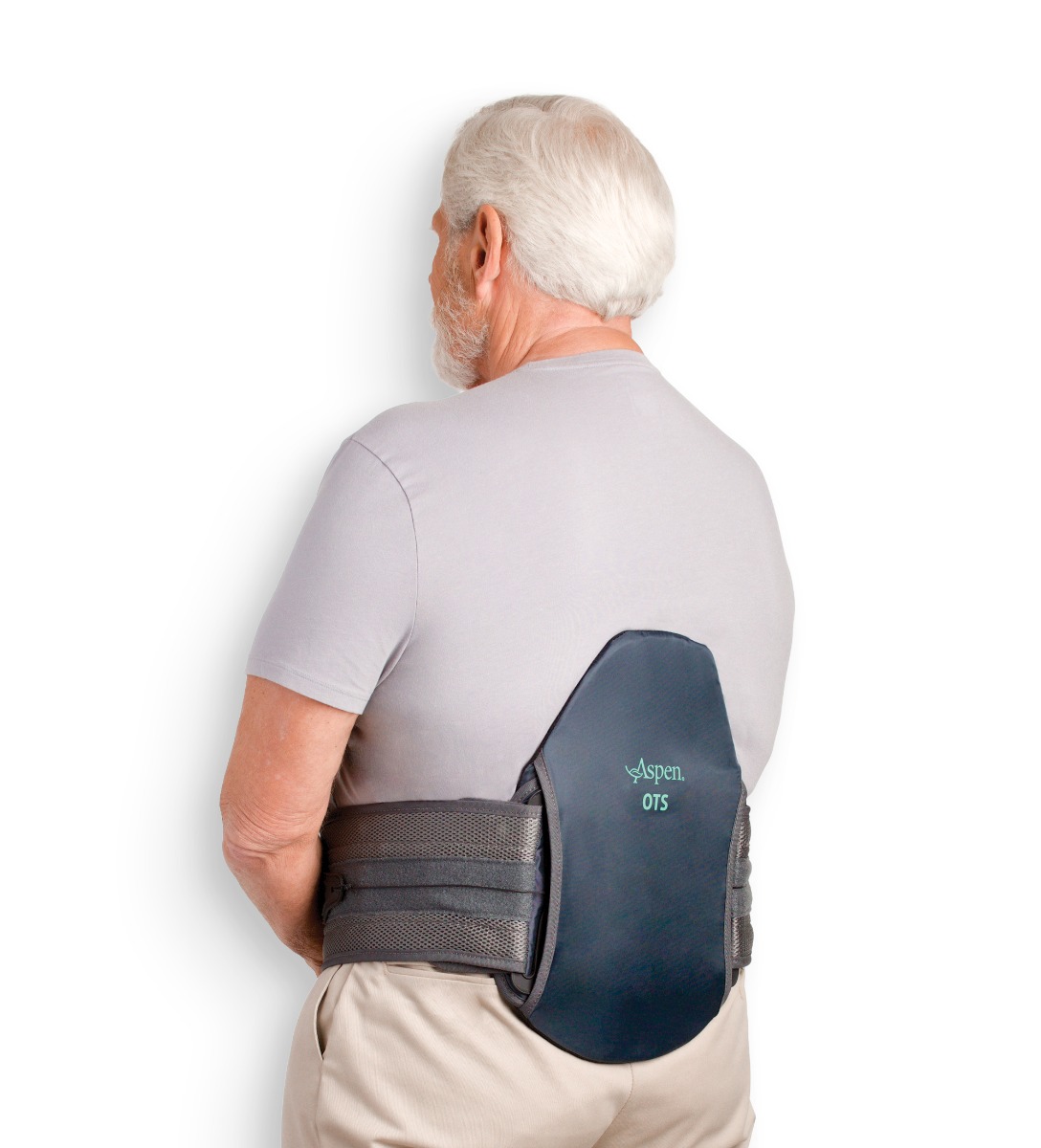
Lightweight, adjustable spinal brace for low back support and comfort.
Buy Now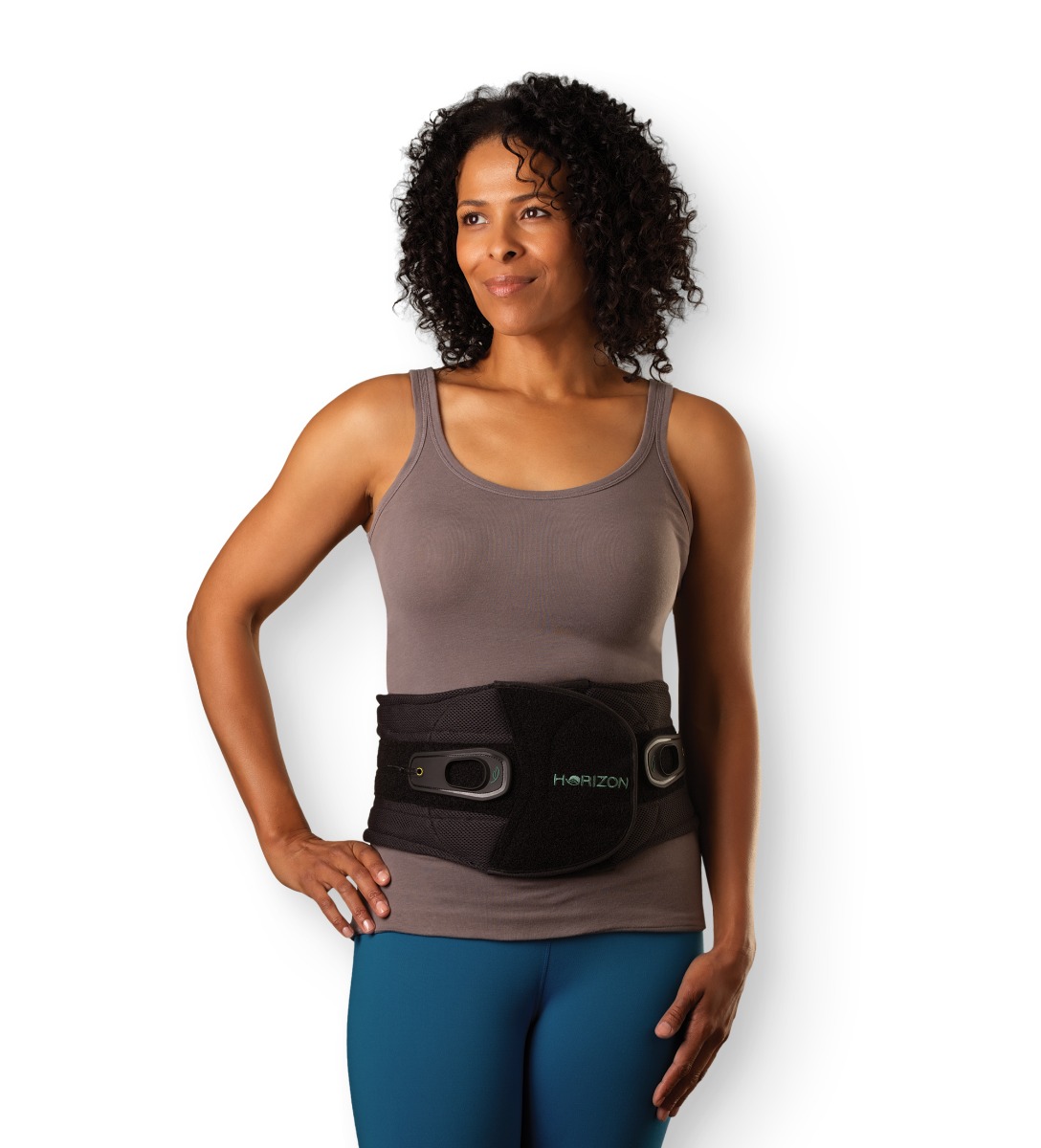
Low-profile lumbar brace that provides trunk stability and targeted compression for everyday low back support.
Buy Now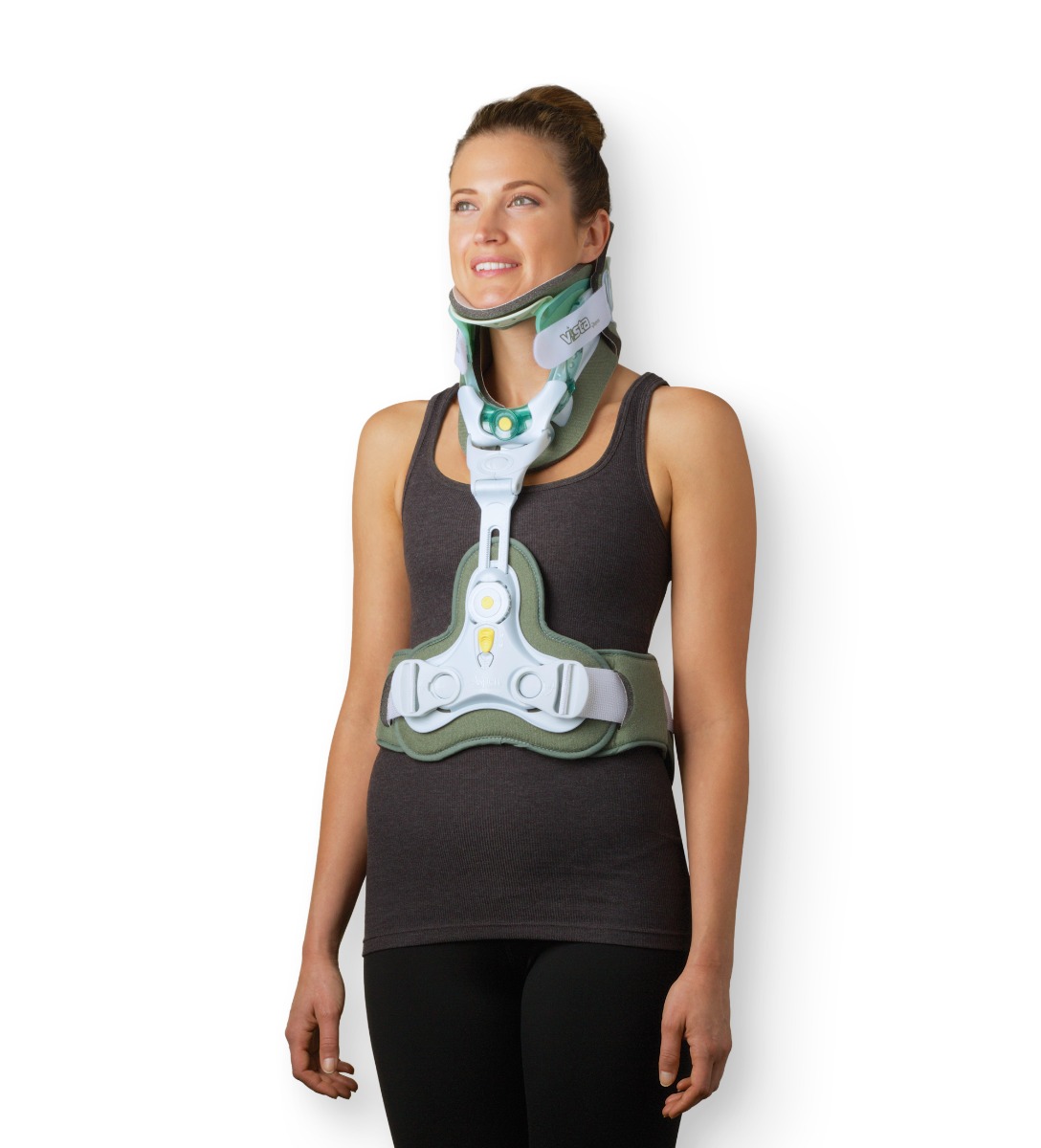
Cervical thoracic brace with adjustable points for a comfortable and effective fit during recovery.
Buy Now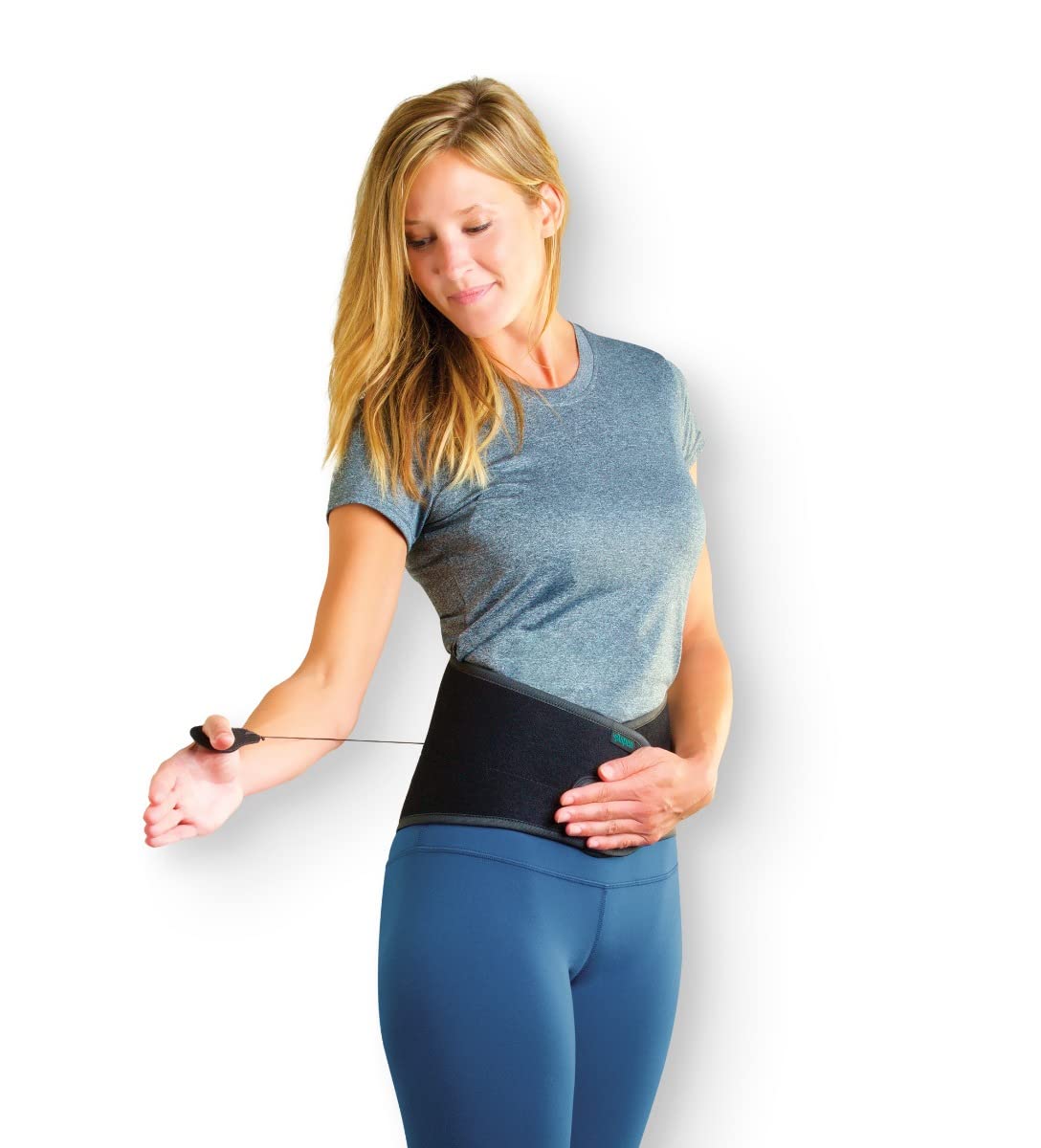
Lumbar brace with a tightening system for customized lower back compression and support.
Buy Now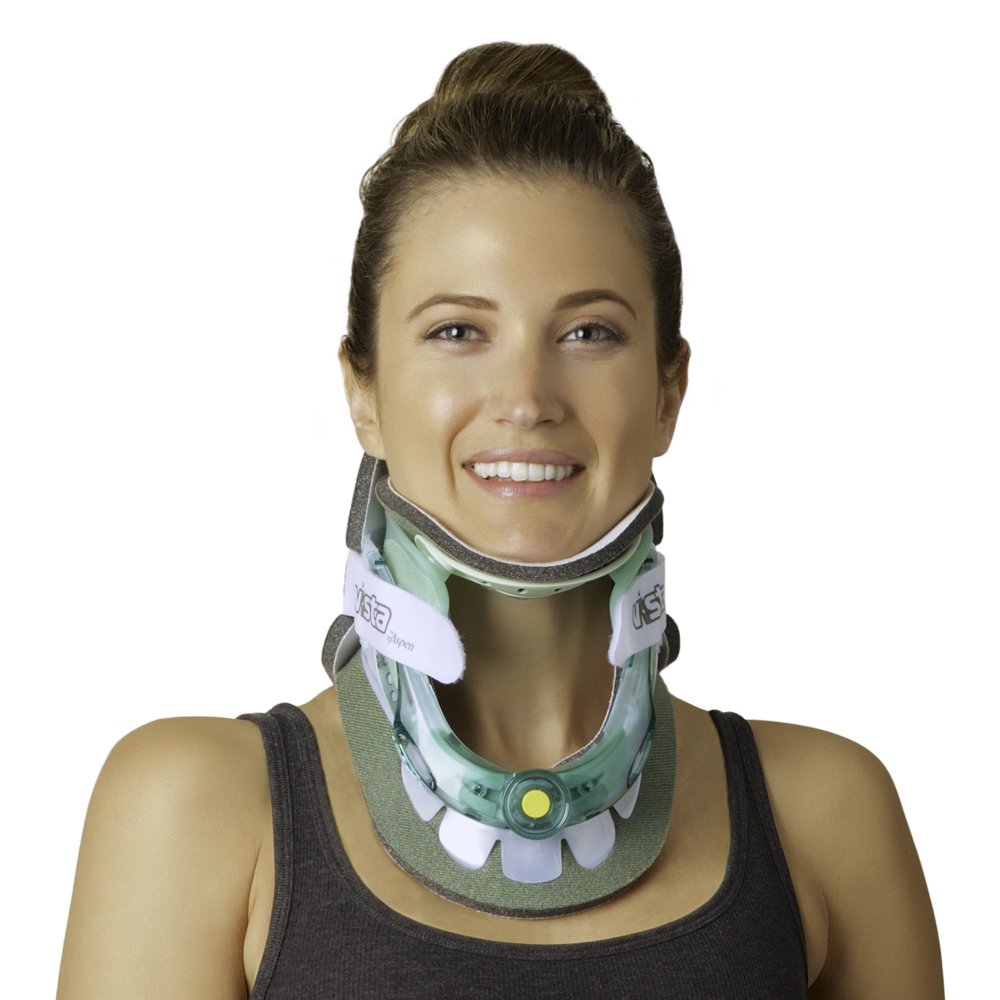
Adjustable cervical collar for neck support during injury or surgery recovery.
Buy Now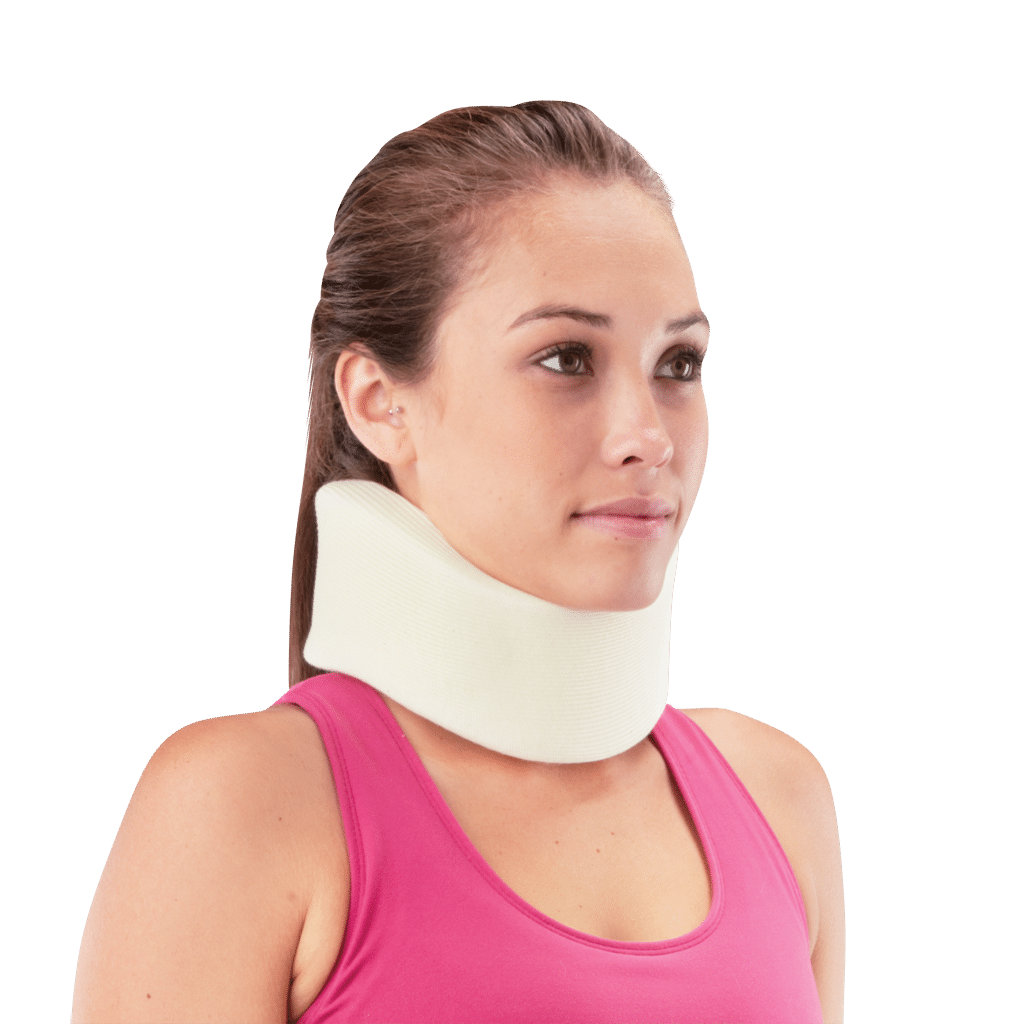
Adjustable neck brace for pain relief, support, injury recovery, and posture correction.
Buy NowAll products are sold and fulfilled by Osteokart.com — Avana's authorised retail partner.
Back pain affects most adults at some point. Most cases resolve with conservative care, but knowing when bracing helps — and when to see a specialist — matters.
Most back pain is mechanical — from posture, lifting, or muscle strain. Some pain comes from disc issues, scoliosis, or age-related changes. Identifying the cause matters because treatment varies.
Bracing offloads stressed structures, limits painful motion, and gives the spine the right environment to heal. For scoliosis specifically, bracing during growth has strong evidence for slowing curve progression.
If back pain is severe, lasts more than a few weeks, radiates into your legs, or is accompanied by numbness, weakness, or changes in bladder control — see a spine specialist immediately.
Most studies on scoliosis bracing show meaningful curve stabilisation or reduction over 12–24 months of consistent wear during the active growth period. Results depend heavily on age, curve type, and brace-wear compliance.
Yes — most lumbar bracing is designed for daily use including seated work. Your specialist will recommend wear duration based on your specific condition.
This is a common concern, but research shows it is largely a myth when bracing is paired with appropriate physiotherapy. Bracing supports recovery; rehabilitation strengthens the back.
 USA · Spinal bracing leader
 Germany · Endoscopic spine
 USA · Sports medicine
 India · Retail partner
Speak with our spine specialists for honest guidance on which brace, if any, fits your situation. No pressure to purchase.
All products dispatched by Osteokart.com — Avana's authorised retail partner.
Fill in your details and we'll get back to you within 24 hours.