Spine Bracing · Lumbar, Cervical & Scoliosis
Lumbar, Cervical & Scoliosis Spine Bracing
From a lumbar belt for low back pain to a TLSO for thoracolumbar injury and a Spinamic brace for scoliosis correction — the right spine support, properly fitted, makes a meaningful difference. Used by Indian spine specialists every day.
Spine bracing is one of the most evidence-supported non-surgical interventions in modern orthopaedics. The right brace — whether a lumbar belt for low back pain, a cervical collar for neck recovery, an LSO or TLSO for spinal fractures, or a scoliosis brace for curve correction during growth — does what medication alone cannot: it physically offloads stressed structures, limits painful motion, and creates the right healing environment. This page covers each main category of spine bracing, when it's indicated, and the Avana-distributed products Indian spine surgeons most commonly prescribe.
What is spine bracing?
Spine bracing is the use of an external support — usually fabric-and-stay or rigid-shell construction — to control the movement of part of the spine. The category includes four main types, each targeting a different spinal region:
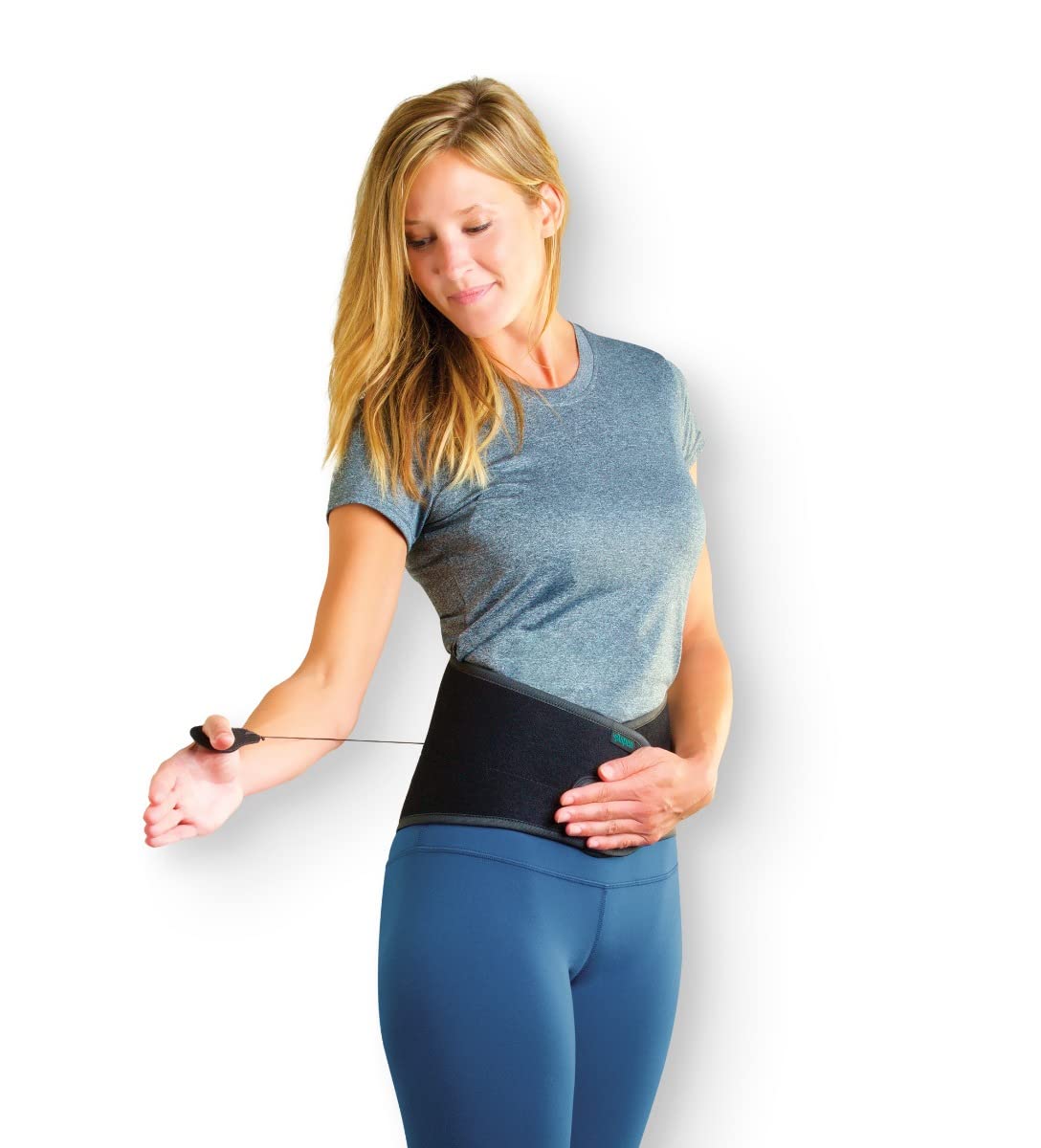
1. Lumbar belts & LSO (Lumbar-Sacral Orthosis) — wrap around the low back, ranging from soft elastic belts for everyday support to rigid LSOs for fracture protection. The most widely-used category in India.
2. Thoracolumbar bracing (TLSO) — extends higher up the back, used for thoracic/upper-lumbar fractures, post-fusion recovery, and significant kyphosis.
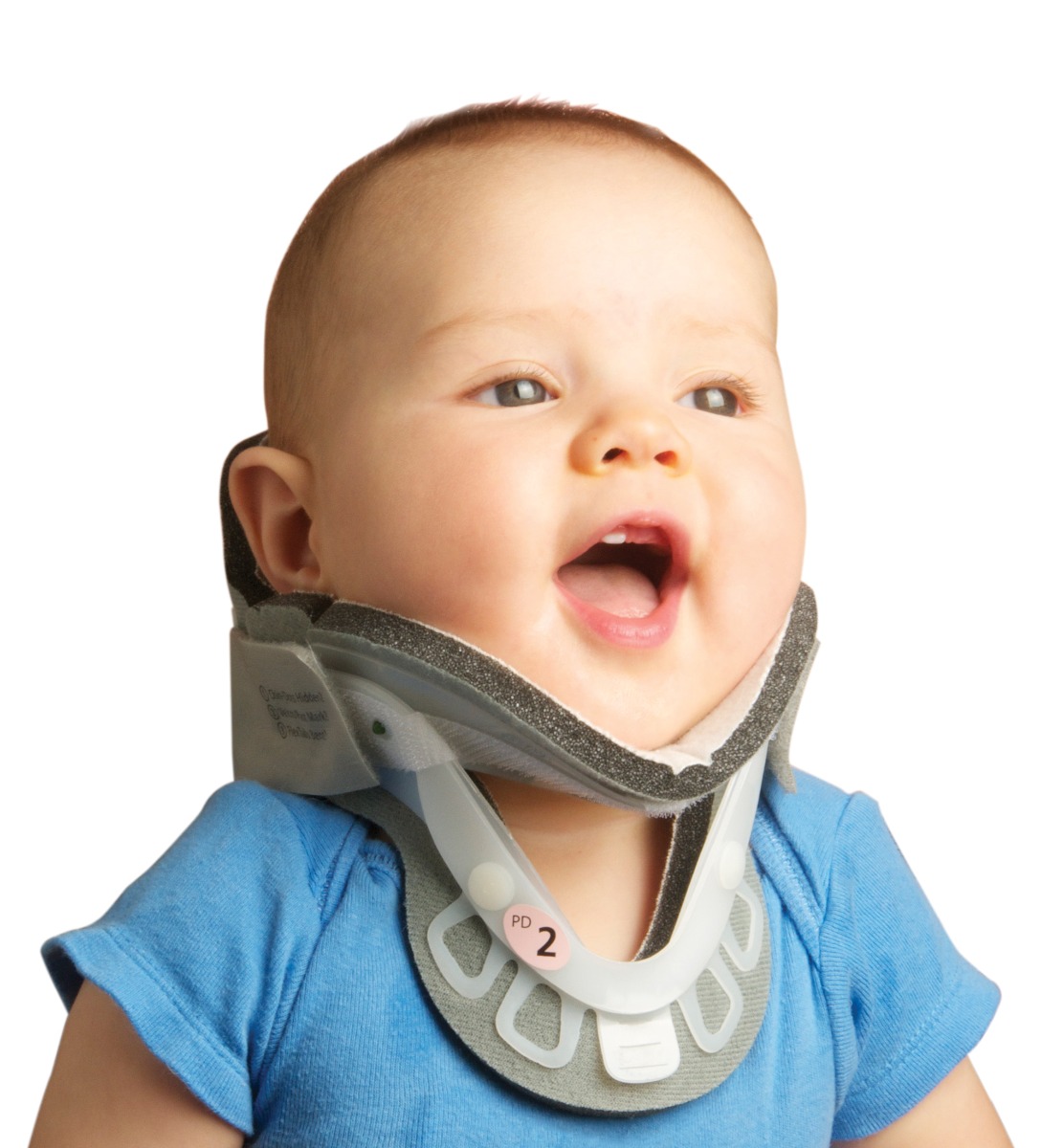
3. Cervical collars — range from soft foam collars for neck strain to rigid post-trauma immobilisers like the Aspen Vista. Indicated for cervical fracture, severe spondylosis, or post-surgery recovery.
4. Scoliosis bracing — custom-fitted braces (TLSO style) worn during the adolescent growth period to slow or halt scoliosis curve progression. Strong clinical evidence base when worn 16+ hours daily.
Conditions spine bracing supports
Spine bracing is indicated for a wide range of conditions — typically as one part of a broader treatment plan:
- Mechanical low back pain — the most common indication. Lumbar belts reduce pain and support return to activity.
- Slipped disc (disc herniation) — bracing limits painful motion while the disc heals.
- Sciatica — radiating leg pain from nerve compression. Lumbar bracing reduces aggravating motion.
- Cervical spondylosis — wear and tear in the neck. A soft cervical collar gives respite during flares.
- Scoliosis (during growth) — modern bracing has strong evidence for slowing curve progression.
- Post-spine surgery recovery — after discectomy, fusion, or endoscopic decompression, the surgical site needs protection.
- Osteoporotic compression fractures — common in older Indian women. Bracing reduces pain and supports healing.
- SI joint dysfunction — especially common postpartum. SI belts (e.g. Aspen Evergreen 621) help.
Why so many Indians need spine bracing
India has unusually high rates of back and neck pain compared with global averages. The drivers:
- Manual labour and lifting jobs — construction, farming, factory work without lifting training.
- Prolonged sitting — desk jobs, long commutes, drivers spending 8+ hours daily seated without ergonomic support.
- Squatting and cross-legged sitting — cultural habits that load the low back and SI joints differently than chair sitting.
- Postpartum changes — Indian women have high prevalence of post-delivery low back and SI pain, often un-addressed.
- Smartphone / "tech neck" — forward head posture causes cervical strain across age groups.
- Vitamin D deficiency — widespread in India. Reduced bone health makes compression fractures more likely.
- Osteoporosis after menopause — Indian women have higher rates and lower screening uptake than developed countries.
- Lack of core-strengthening exercise — most adults receive no formal back-care education.
Spine treatment — what helps when
Spine care follows a conservative-first approach. Bracing sits in the middle of that ladder:
- Activity modification + posture — ergonomic chair, screen height, lifting technique. The cheapest, often most effective change.
- Physiotherapy + core strengthening — quadratus lumborum, deep core, glutes. The foundation of long-term spine health.
- Bracing (right segment, right type) — lumbar belt for back, cervical collar for neck, TLSO for thoracic. Used during pain flares and for specific conditions.
- NSAIDs / pain medication — short-term symptom control, under medical supervision.
- Epidural injections — for radicular (nerve-related) pain. Skilled spine pain specialist needed.
- Surgery — last resort. Decompression, fusion, endoscopic spine surgery. Modern surgical care has improved outcomes substantially.
Most patients never need to escalate past steps 1–3. The role of bracing is to enable steps 1 and 2 — by reducing pain enough that you can move, exercise, and live normally.
Spine bracing solutions
Lumbar, cervical, and scoliosis bracing selected for clinical performance and Indian patient fit.
Aspen
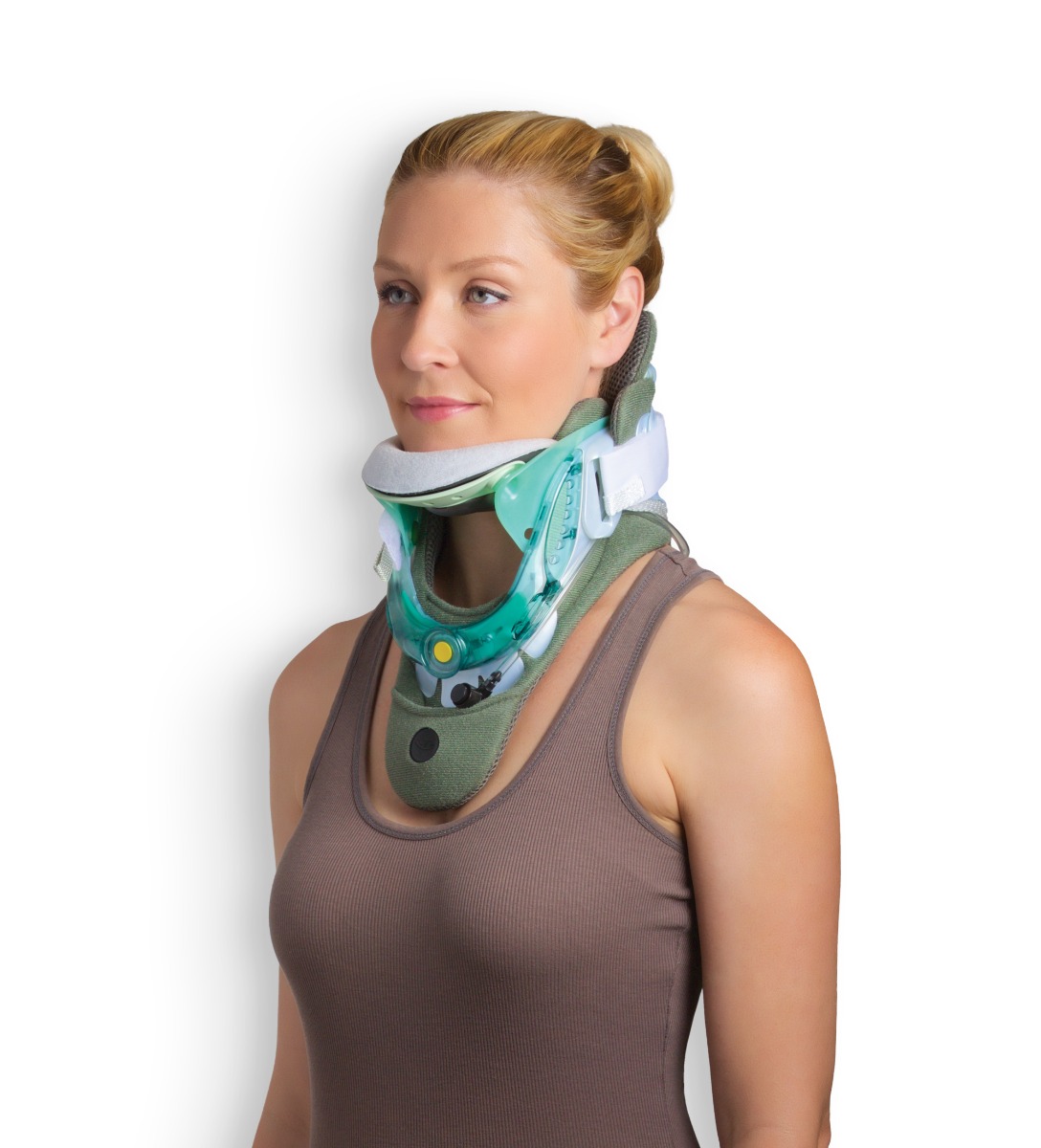
Aspen Vista MultiPost Therapy Collar
Premium cervical collar designed for comfort and support during neck-injury recovery.
Buy Now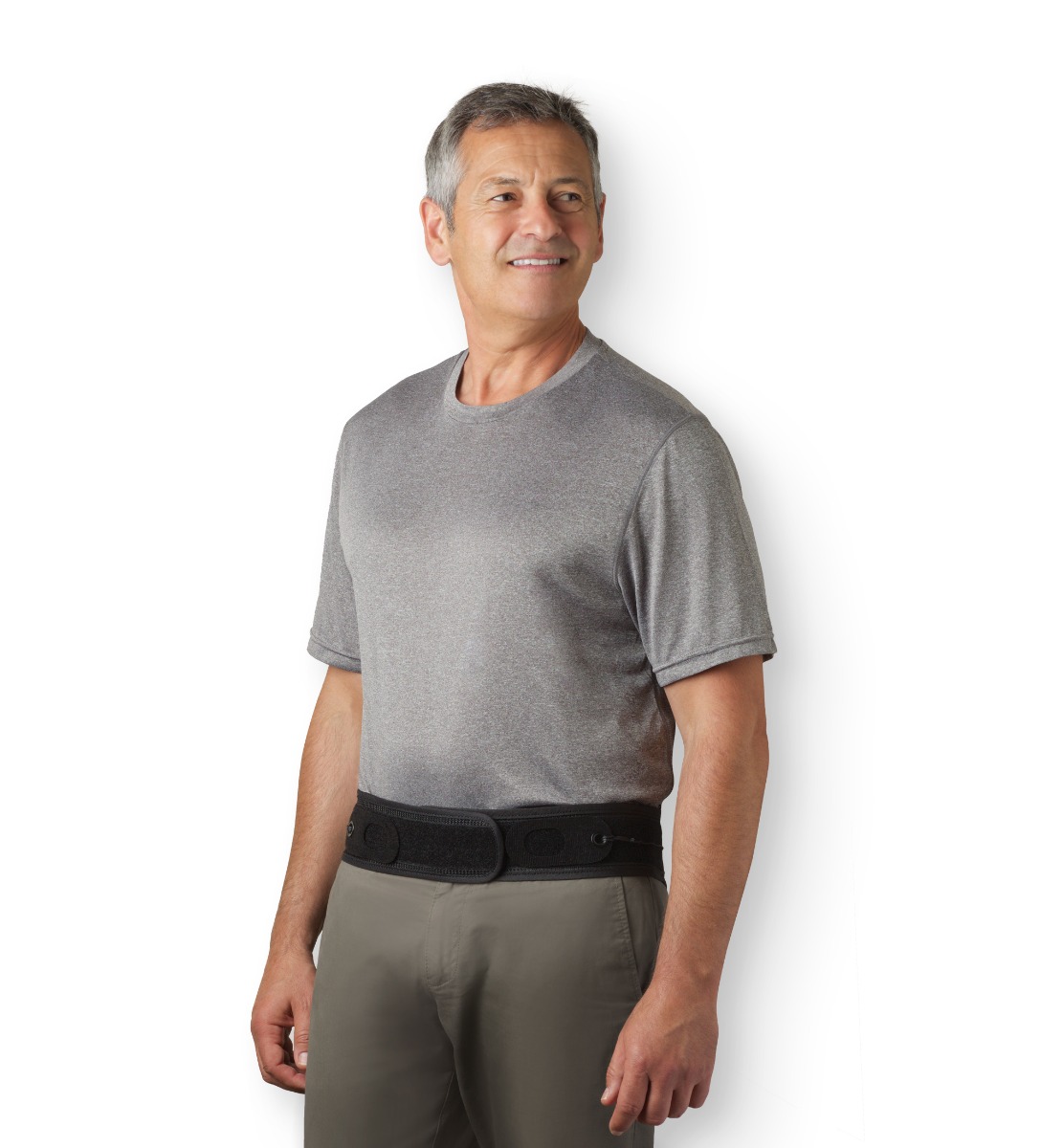
Aspen
Aspen Evergreen 621 SI Belt
Adjustable sacroiliac support brace for hip and pelvic support.
Buy Now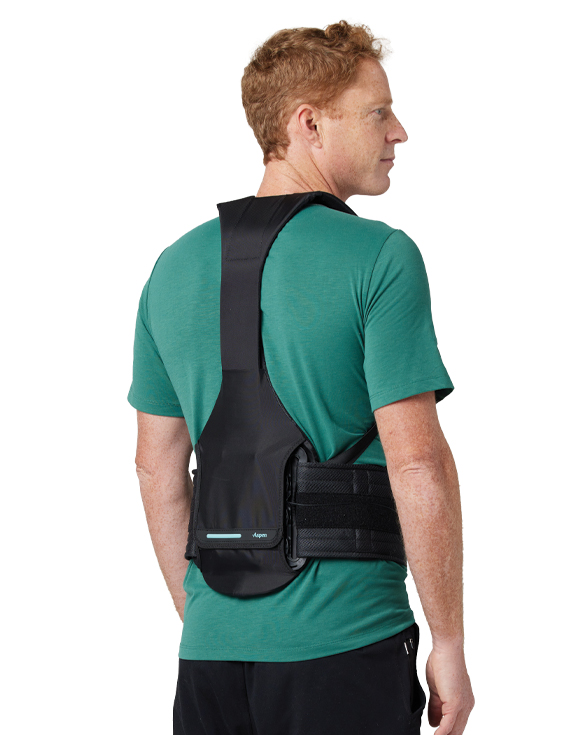
Aspen
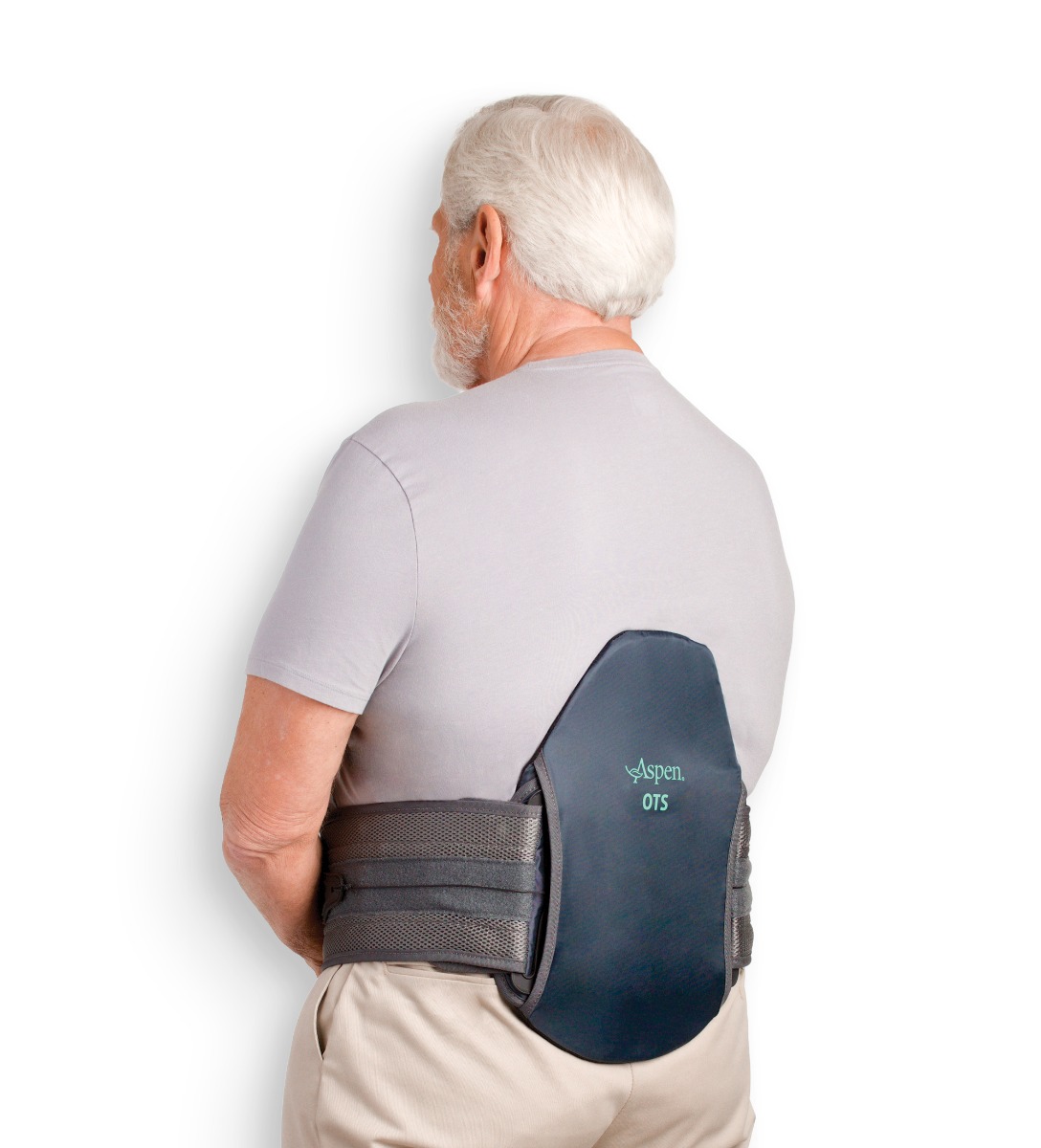
Aspen OTS LSO 648
Lightweight, adjustable spinal brace for low back support and comfort.
Buy Now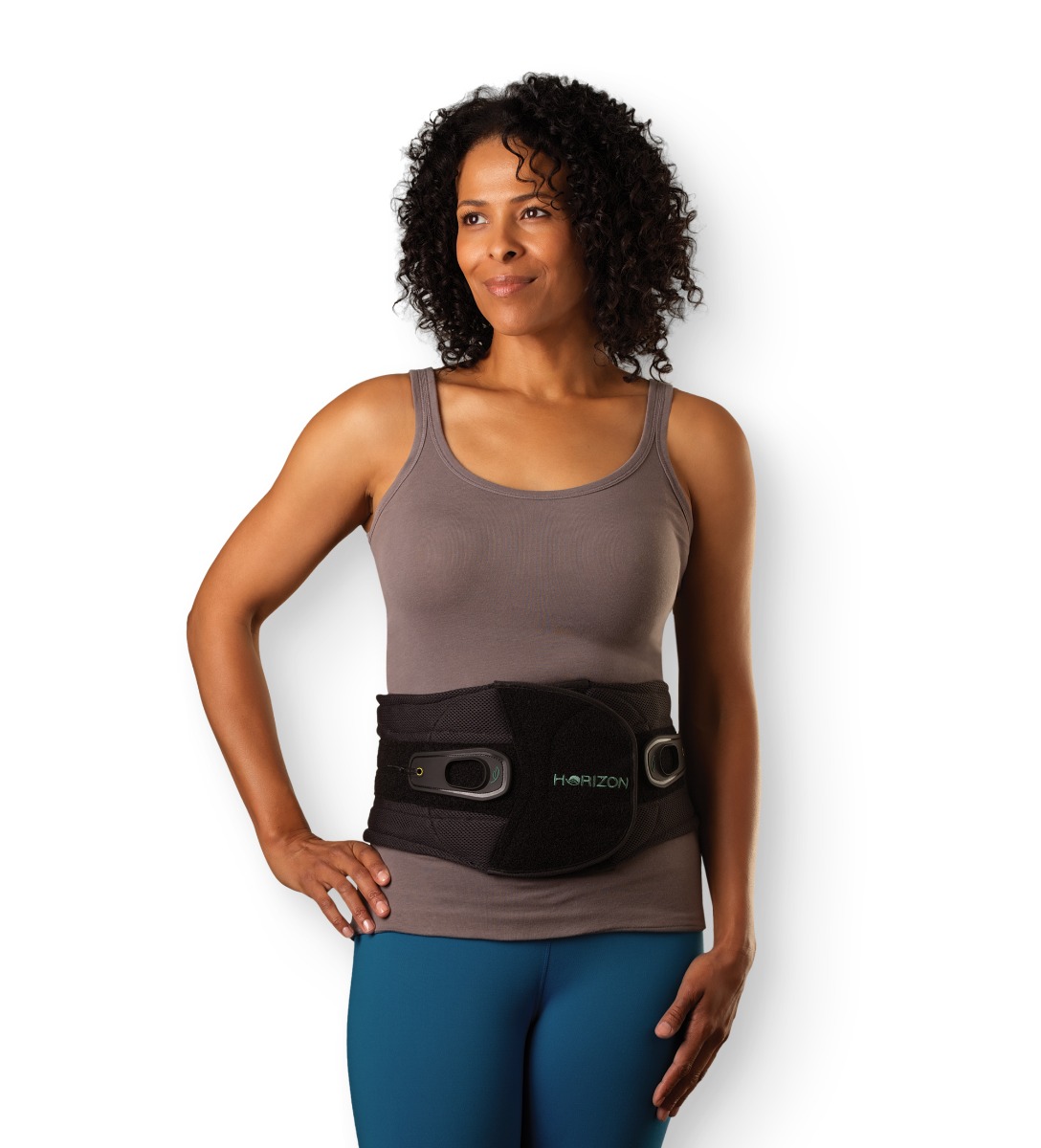
Aspen
Aspen Horizon 627 Lumbar
Low-profile lumbar brace that provides trunk stability and targeted compression for everyday low back support.
Buy Now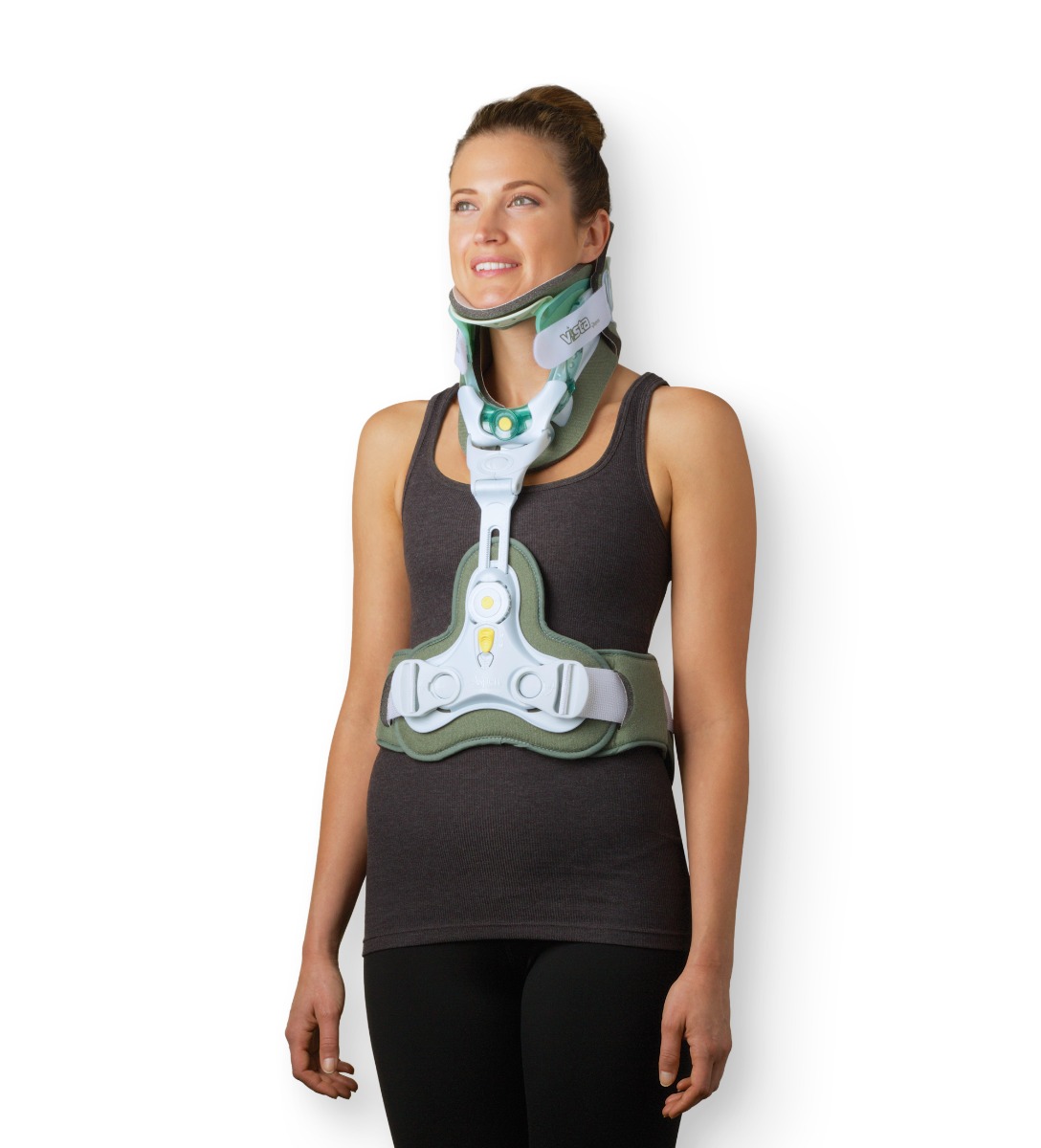
Aspen
Aspen Vista CTO
Cervical thoracic brace with adjustable points for a comfortable and effective fit during recovery.
Buy Now
Aspen
Aspen Lumbar Support
Lumbar brace with a tightening system for customized lower back compression and support.
Buy Now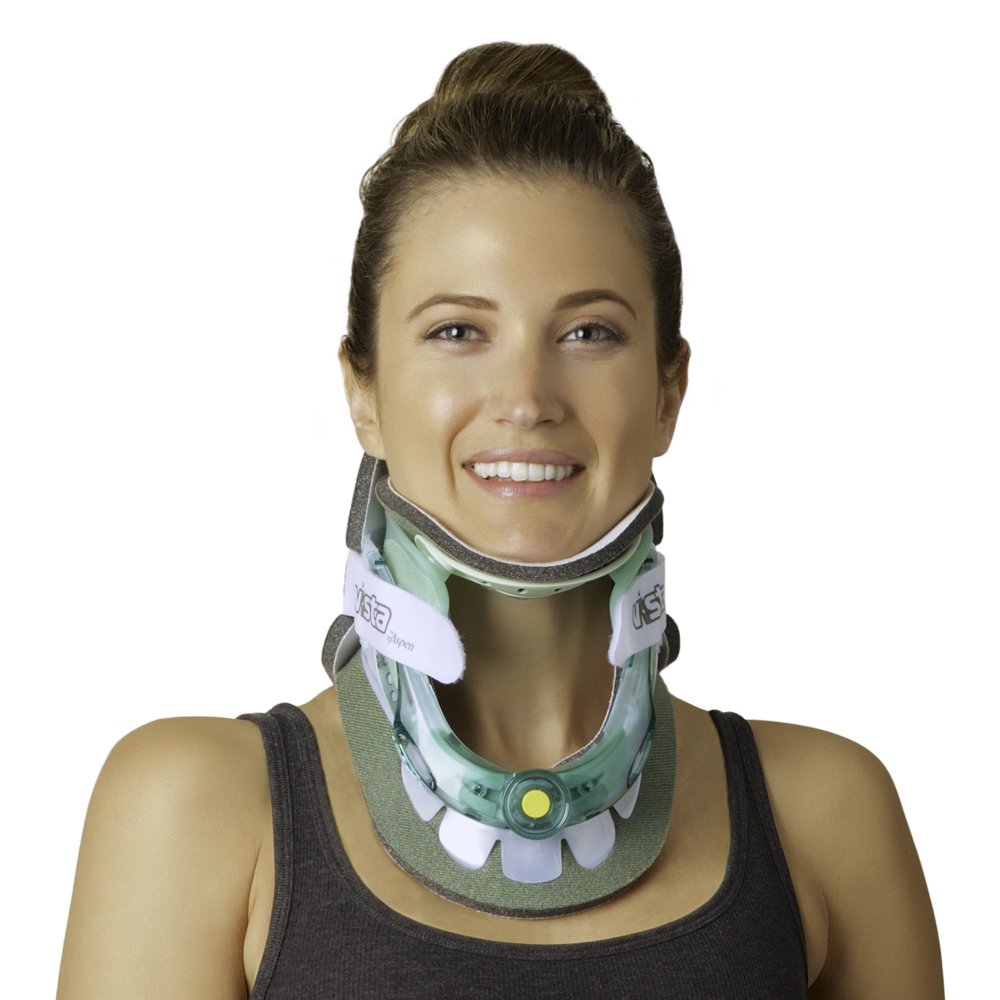
Aspen
Vista Cervical Collar
Adjustable cervical collar for neck support during injury or surgery recovery.
Buy Now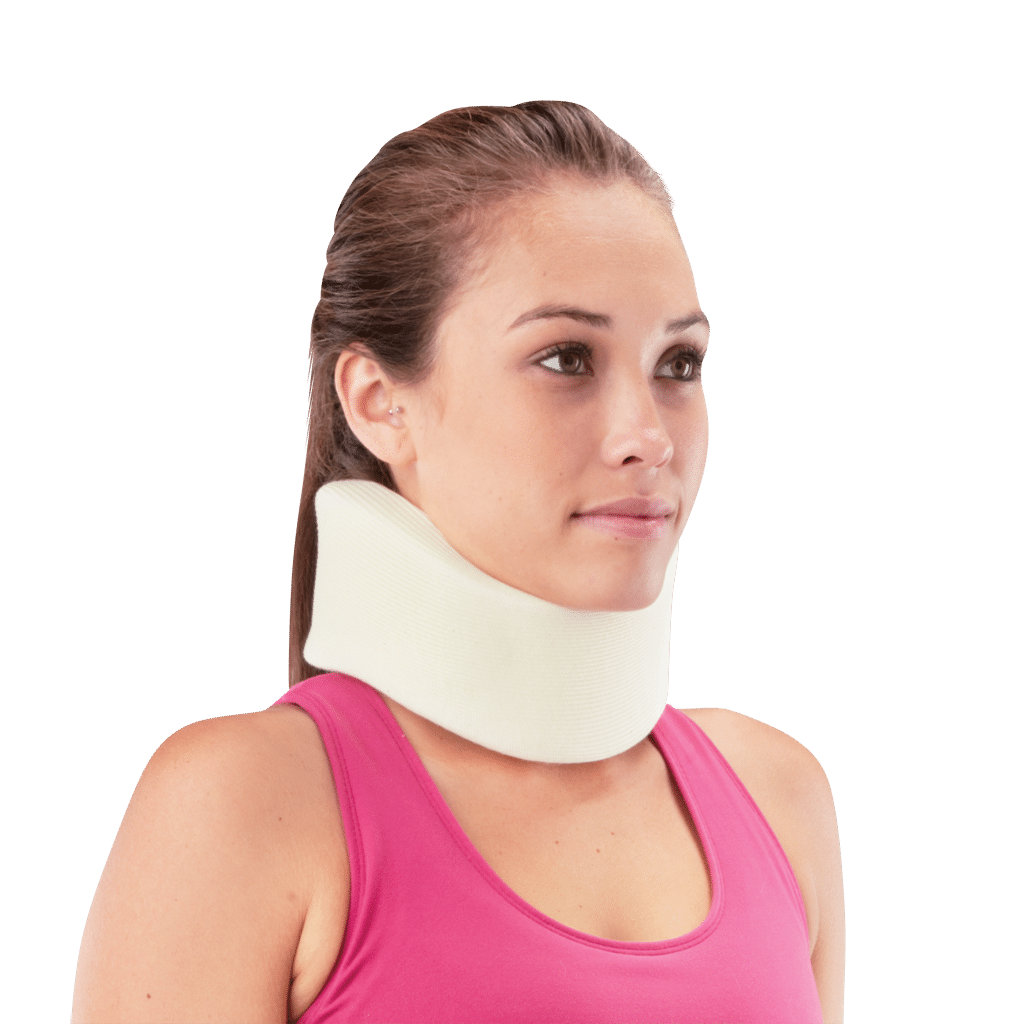
Breg
Breg Cervical Collar
Adjustable neck brace for pain relief, support, injury recovery, and posture correction.
Buy NowAll products are sold and fulfilled by Osteokart.com — Avana's authorised retail partner.
When back or neck pain needs urgent medical attention
Most back pain resolves with conservative care. But these signs need same-day medical assessment:
- Loss of bladder or bowel control — possible cauda equina syndrome. Medical emergency.
- Numbness in the groin or inner thighs (saddle anaesthesia) — same as above.
- Progressive leg weakness — foot drop, difficulty climbing stairs.
- Sudden severe back pain after a fall — possible vertebral fracture, especially if you have osteoporosis.
- Back pain with fever or chills — possible spinal infection (rare but serious).
- Pain that wakes you at night consistently — rare cancer red flag.
- Back pain with unexplained weight loss — needs prompt evaluation.
Bracing is for pain management and post-treatment support. It is never a substitute for diagnosis when these red flags appear.
Spine recoveries we're proud of
Spine bracing FAQs
It depends on the indication. For acute pain, 1–4 weeks is typical. For chronic low back pain, intermittent use during high-demand activities (lifting, long drives, prolonged sitting). For post-surgery, follow your surgeon's specific protocol.
This is the most common worry, and largely a myth when bracing is paired with physiotherapy. Bracing supports recovery; rehab strengthens the back. Patients who use both together do better than patients using either alone. Most clinical guidelines support this approach.
Meaningful curve stabilisation usually takes 12–24 months of consistent wear during the growth period. Compliance is the single biggest factor — bracing 16+ hours daily has strong evidence; bracing only at night does not.
A "corset" in everyday Indian usage usually means a wide elastic belt with no rigid support — useful for mild back ache. A modern lumbar belt or LSO (Lumbar Sacral Orthosis) adds rigid stays or panels that offer real spinal support. For real back pain, choose a proper LSO. For postpartum mild support, an elastic corset can be adequate.
Yes — most modern lumbar bracing is designed for daily use including seated work. Your specialist will recommend wear duration. Many patients use it during the desk-work portion of the day and remove it for the evening.
Some Indian health insurance policies reimburse orthopaedic devices when prescribed as part of a covered procedure (e.g. post-surgery brace). Standalone bracing for back pain is typically not covered. Speak to your insurer for specifics; Avana can provide invoices in the required format.
Surgery is reserved for: progressive neurological deficits (worsening weakness, numbness), cauda equina symptoms, severe radicular pain unresponsive to conservative care for 6+ weeks, unstable fractures, or specific structural problems (severe scoliosis after growth, spondylolisthesis). For mechanical back pain alone, surgery rarely helps. Always get a second opinion before agreeing to elective spine surgery.
Built with the world's leading orthopaedic brands
 USA · Sports medicine bracing
 USA · Spinal bracing leader
 Germany · Endoscopic spine systems
 India · Authorised retail partner
Spine pain is personal — let us help you choose right.
Speak with our spine specialists for honest guidance on which brace, if any, fits your situation. No pressure to purchase.
All products dispatched by Osteokart.com — Avana's authorised retail partner.